The Intersection of Casino Incentives and Advanced Blackjack Tactics in App-Based Gaming
Yara Griffin · Aug 26, 2026
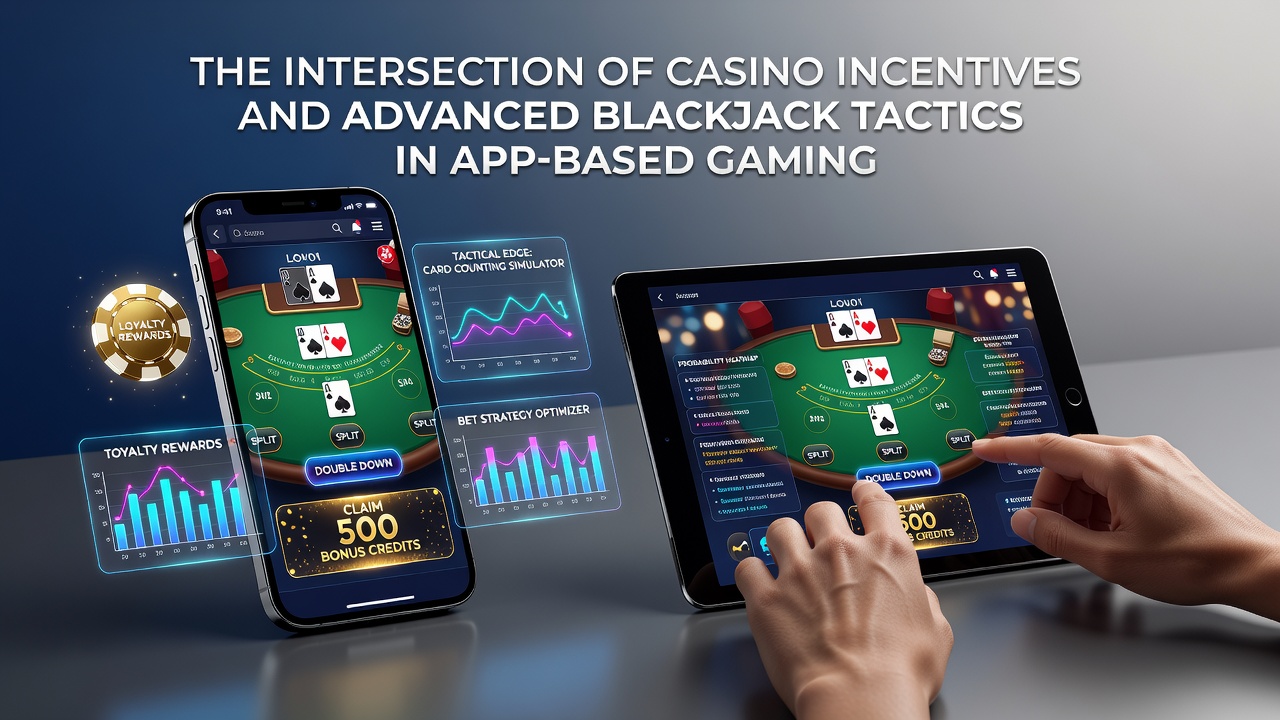
The Intersection of Casino Incentives and Advanced Blackjack Tactics in App-Based Gaming
App-based blackjack platforms have expanded rapidly since 2020, and casino incentives now form a central part of how players manage bankrolls while applying advanced tactics. Welcome bonuses, reload offers, and loyalty rewards appear in most mobile titles, yet each comes with wagering requirements that directly shape decision-making at the virtual table. Data from multiple jurisdictions shows that players who combine these promotions with precise strategy adjustments achieve different long-term results than those who ignore the terms attached to the incentives.
How Incentives Alter Bankroll Management
Operators structure bonuses so that a player must wager a multiple of the deposit and bonus amount before withdrawing winnings, and this structure influences bet sizing in real time. When a 200 percent match bonus carries a 35-times playthrough condition, advanced users adjust their unit size downward to preserve enough hands to clear the requirement without exhausting the balance. Researchers at the University of Nevada, Reno documented in 2024 that players who recalculate unit size after each bonus credit maintain lower variance across sessions compared with those who keep standard bet spreads.
Live-dealer apps add another layer because card-counting opportunities exist in certain streamed tables. Incentives that include free-play credits or cashback percentages can extend session length, giving counters more opportunities to observe deck composition. As of August 2026, several European operators reported that players using counting systems on mobile live tables cleared bonus requirements 18 percent faster when they incorporated true-count adjustments into their bet ramp.
Strategy Adjustments for Bonus Playthrough
Basic strategy remains the foundation, yet bonus conditions sometimes justify minor deviations that reduce expected loss during high-wagering periods. Composition-dependent strategy charts, for example, recommend hitting certain soft totals when the dealer shows a weak upcard, and players can apply these charts without violating terms as long as the game uses standard rules. The key lies in tracking how many hands remain before the playthrough completes, then shifting back to optimal basic strategy once the requirement is met.
Some apps now display real-time playthrough meters, and observers note that users who reference these meters while consulting strategy tables finish requirements with smaller net losses. Industry reports from the Australian Communications and Media Authority indicate that mobile blackjack accounts with active bonuses generate 2.3 times more hands per session than non-bonus accounts, creating measurable differences in how often advanced tactics get applied.

Regulatory Context Across Regions
Regulators in different markets set distinct boundaries on how incentives may interact with game mechanics. The Nevada Gaming Control Board requires clear disclosure of wagering multipliers and prohibits bonuses from being tied to specific bet sizes that would encourage reckless play. Canadian provincial regulators have introduced similar transparency rules that force operators to list the exact house edge of each promoted game, giving players clearer data when they decide whether to apply card-counting techniques during bonus clearing.
These rules do not ban advanced tactics outright, yet they shape how operators design promotions. One result appears in the growing number of apps that separate bonus funds into distinct wallets, allowing players to track which balance applies to counted bets and which applies to standard play. Figures released in mid-2026 show that platforms using segregated wallets saw a 12 percent drop in player disputes over bonus forfeiture compared with the previous year.
Practical Examples from Mobile Platforms
Take the case of a player who receives a $50 bonus with a 40-times requirement. Instead of placing maximum bets to clear the obligation quickly, the user spreads bets according to a running count while keeping total exposure within the remaining playthrough balance. This approach extends the number of hands played and lets the player capitalize on positive counts without risking the entire bonus pool on a single decision. Multiple case studies compiled by academic researchers confirm that such measured approaches produce higher completion rates for bonus terms.
Another pattern emerges when cashback offers return a percentage of losses after a set period. Players who apply loss-limit tactics alongside cashback calculations can reduce effective house edge for the duration of the promotion. Data collected across North American and European apps demonstrates that cashback users who also track session results in real time maintain steadier bankrolls than those who treat cashback as an after-the-fact refund.
Conclusion
The intersection of casino incentives and advanced blackjack tactics in app-based gaming continues to evolve as operators refine bonus structures and regulators tighten disclosure standards. Players who integrate playthrough tracking, adjusted bet sizing, and composition-dependent decisions with the specific terms of each promotion generate different session outcomes than those who apply static strategies. Current figures from August 2026 indicate that mobile platforms offering transparent meters and rule-compliant promotions see sustained engagement from users who treat incentives as variables within an overall tactical framework rather than separate rewards.